
 DE
DE

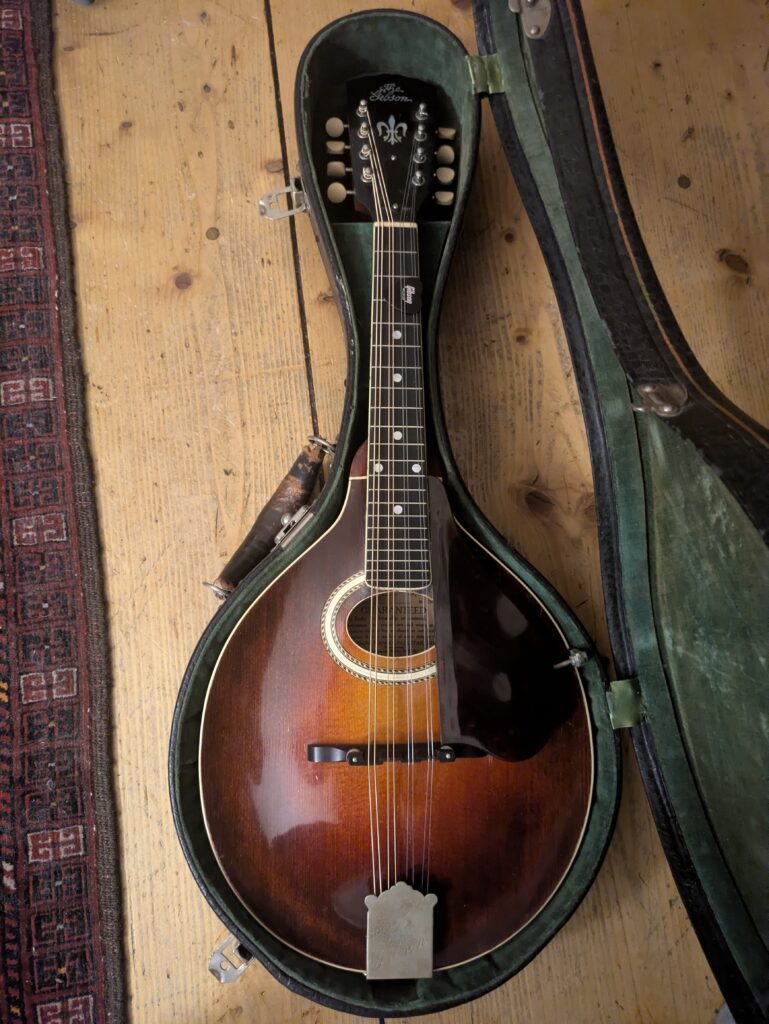
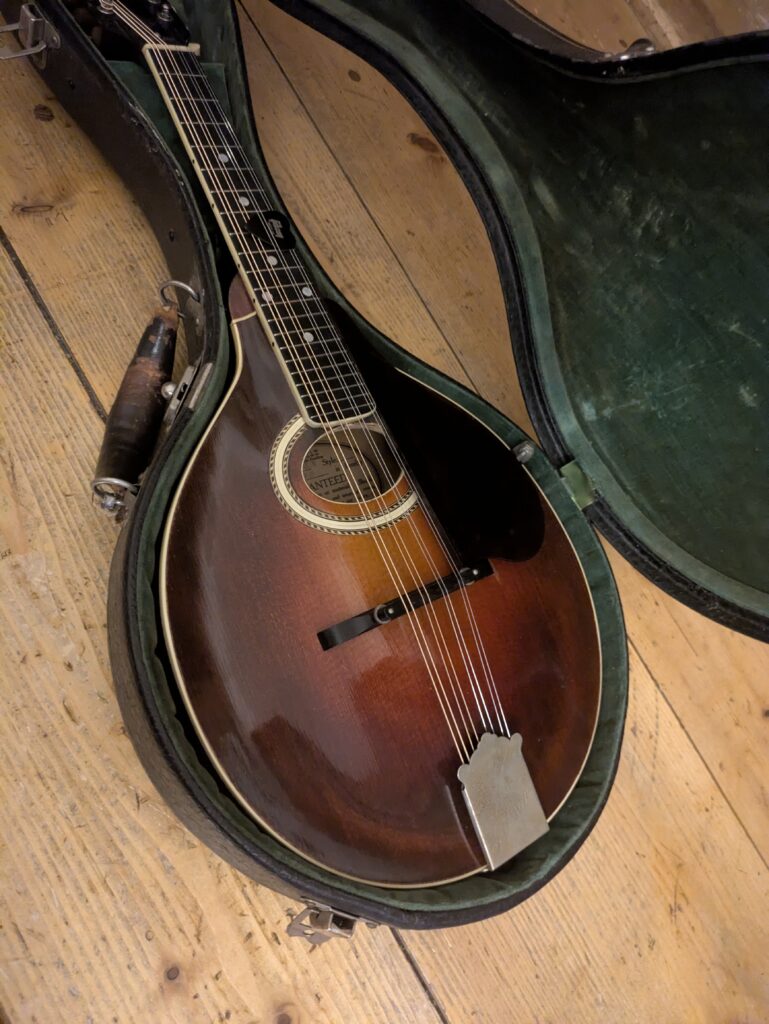
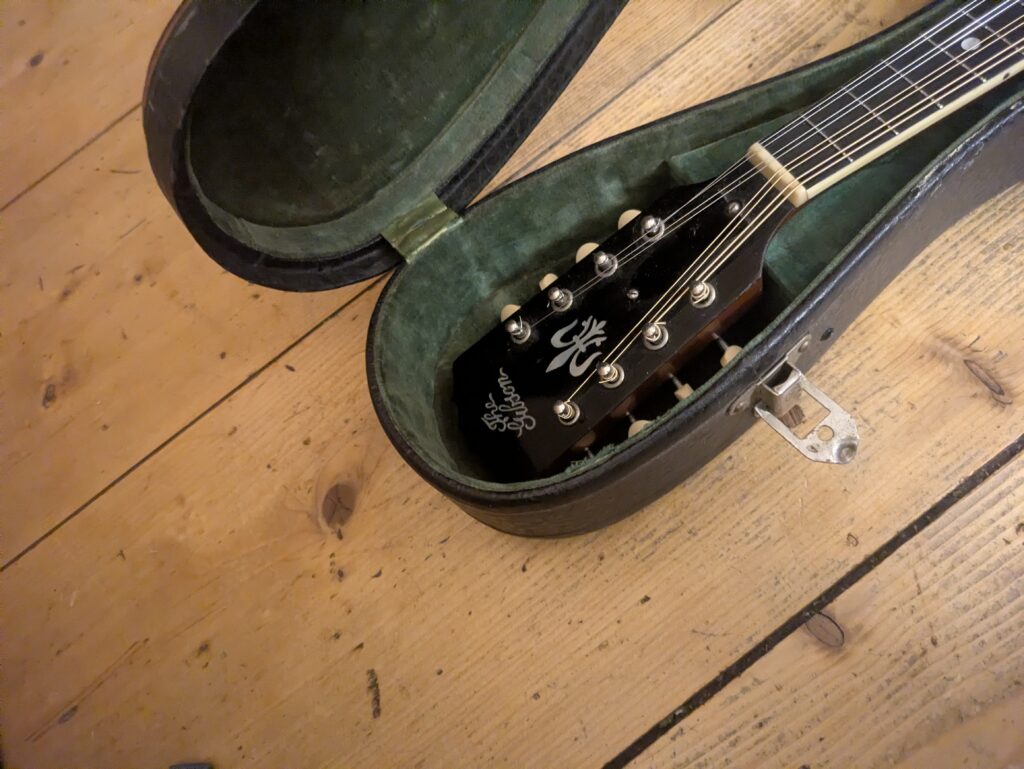
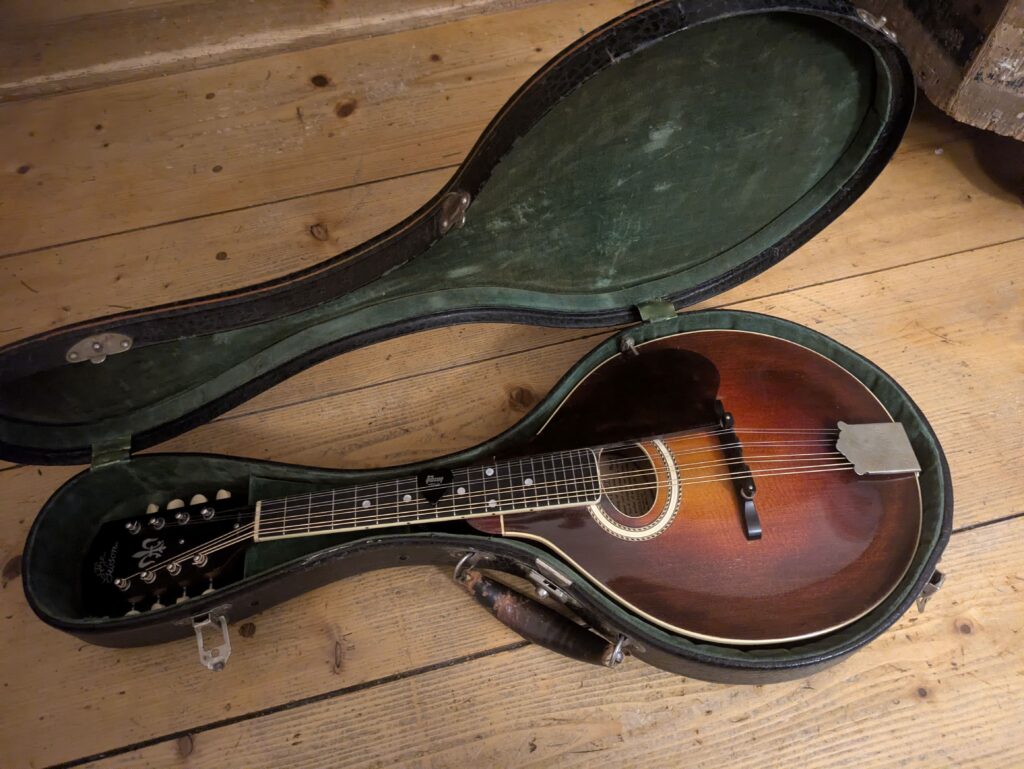
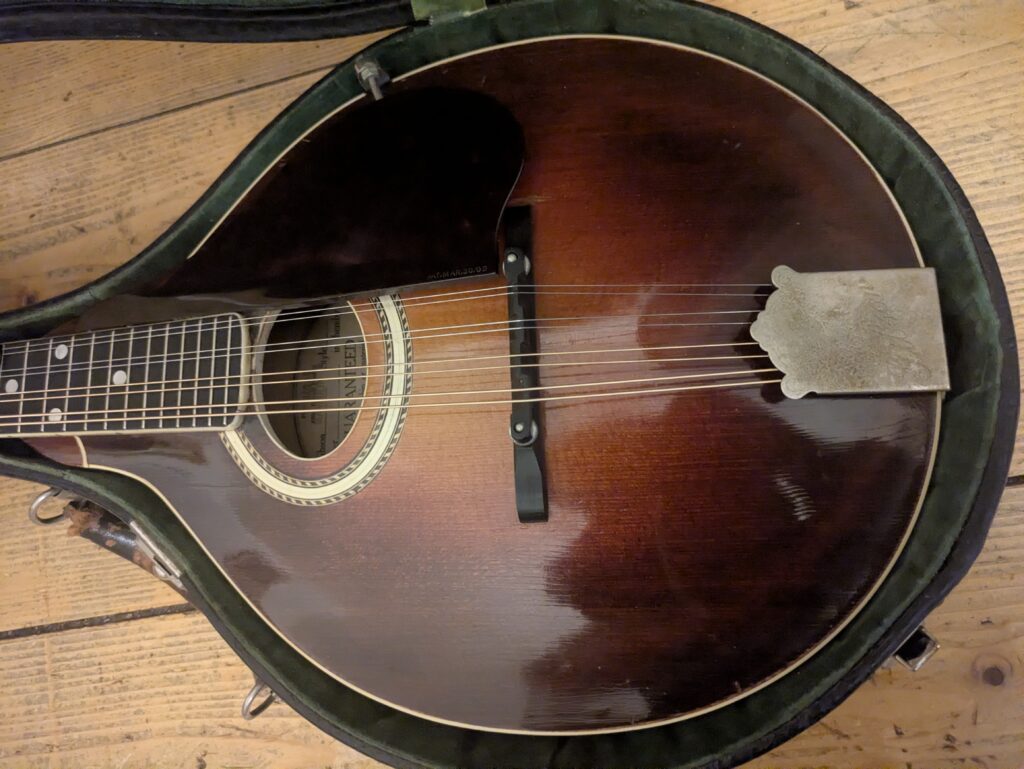
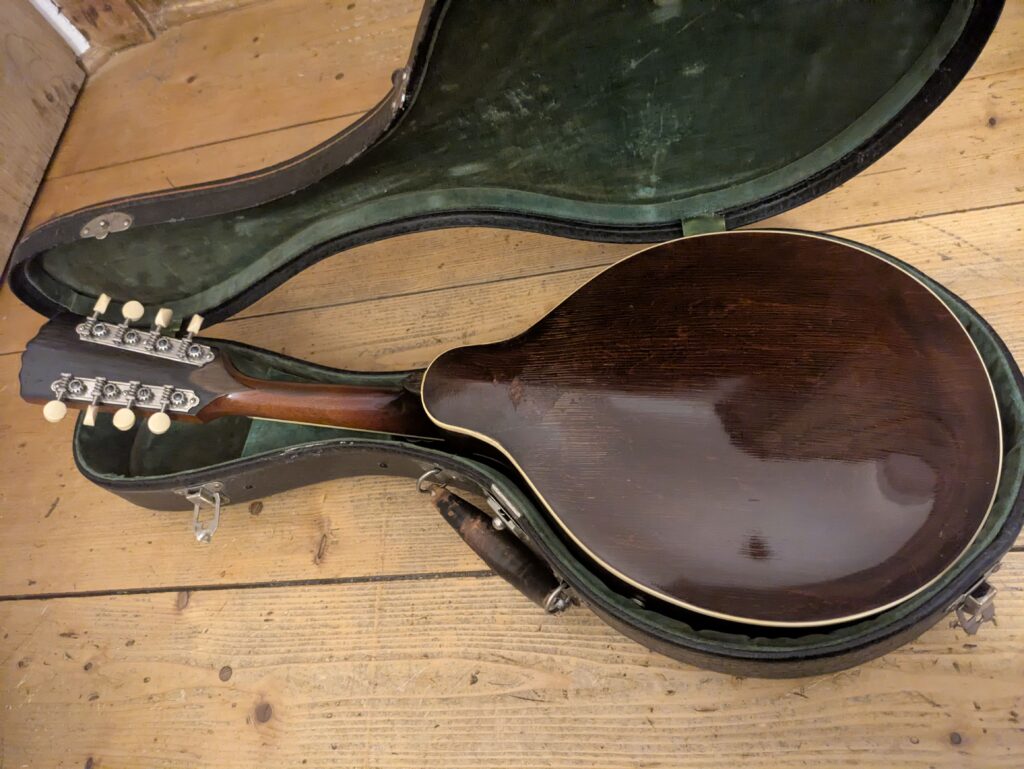
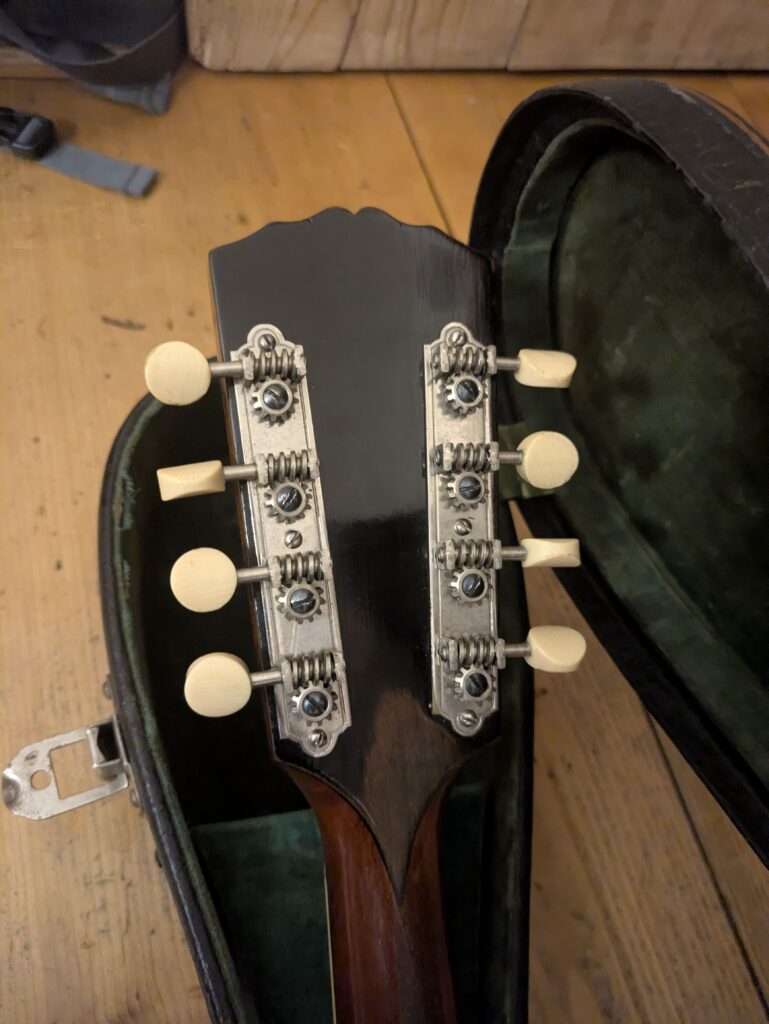
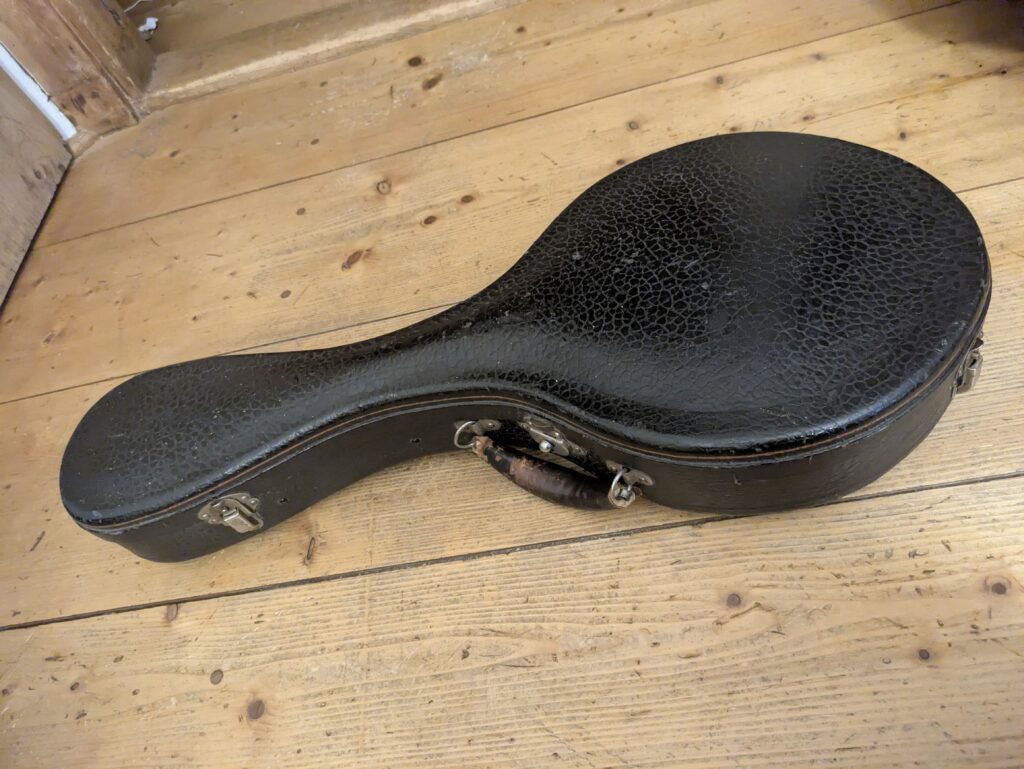
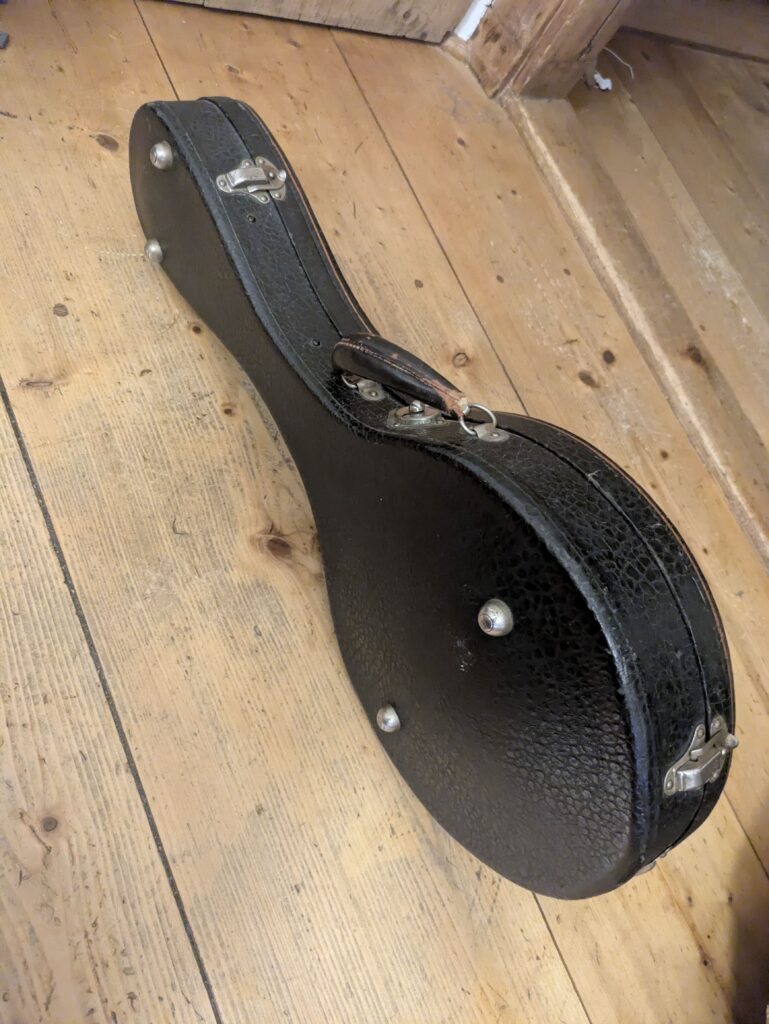
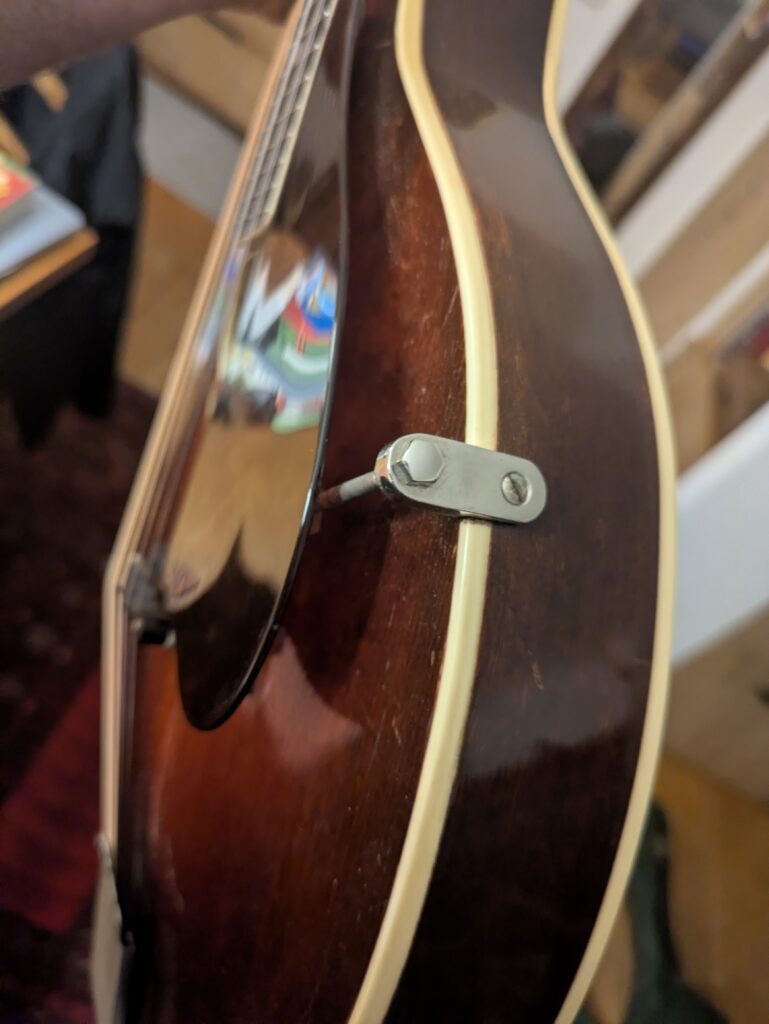
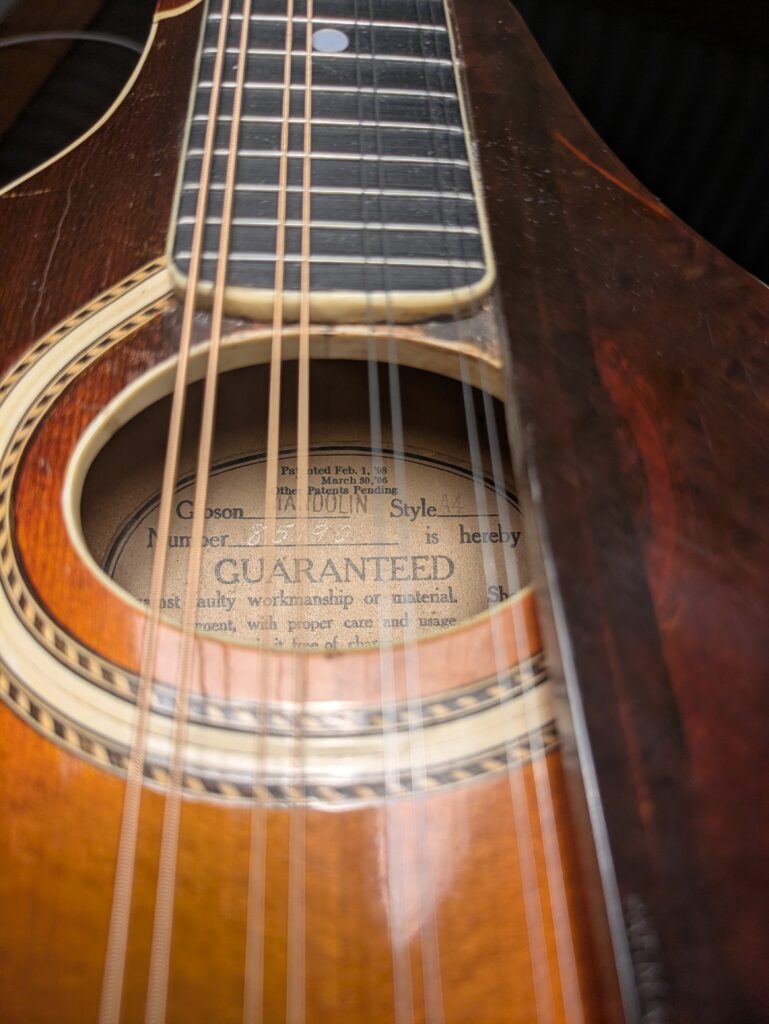
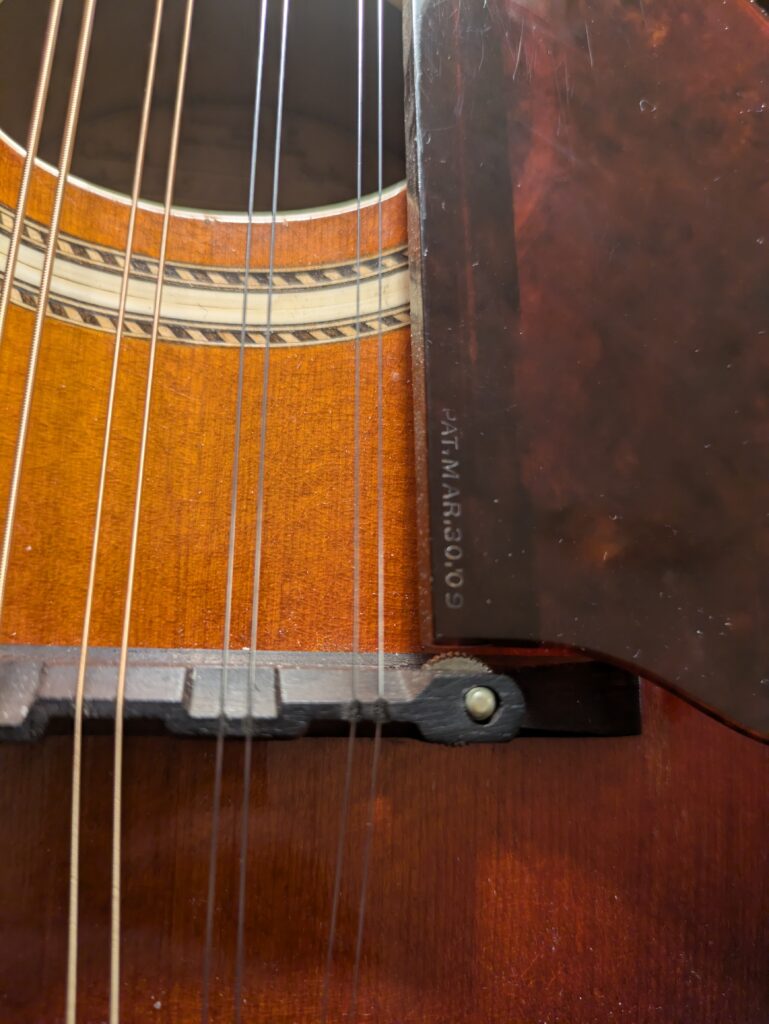
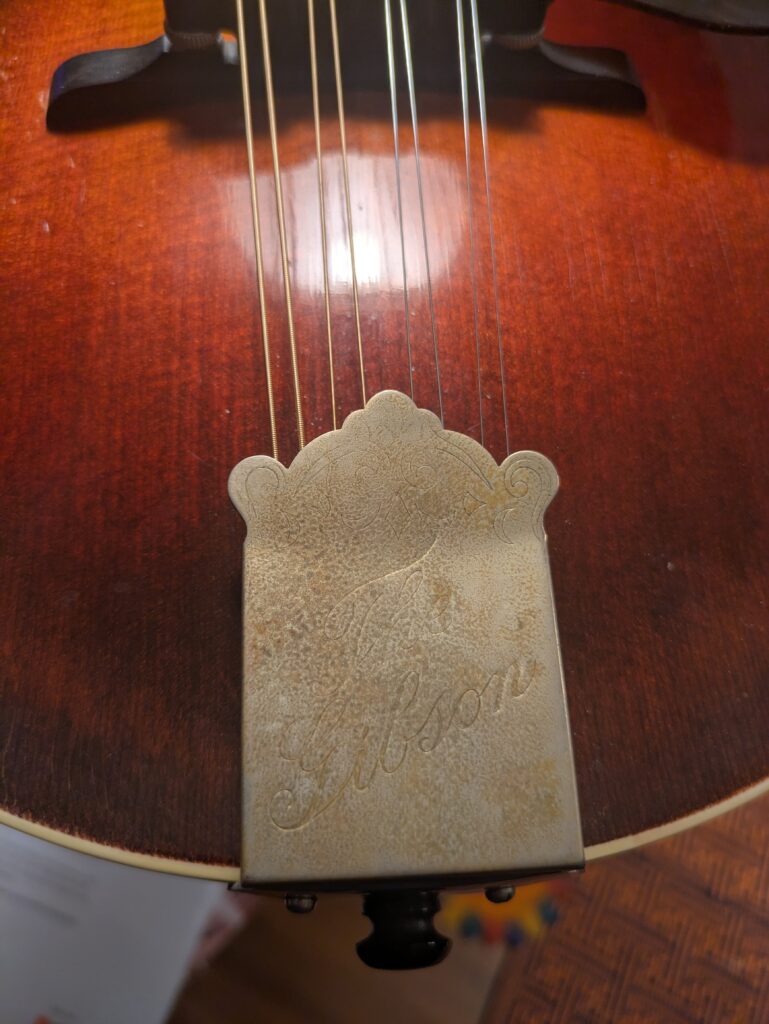
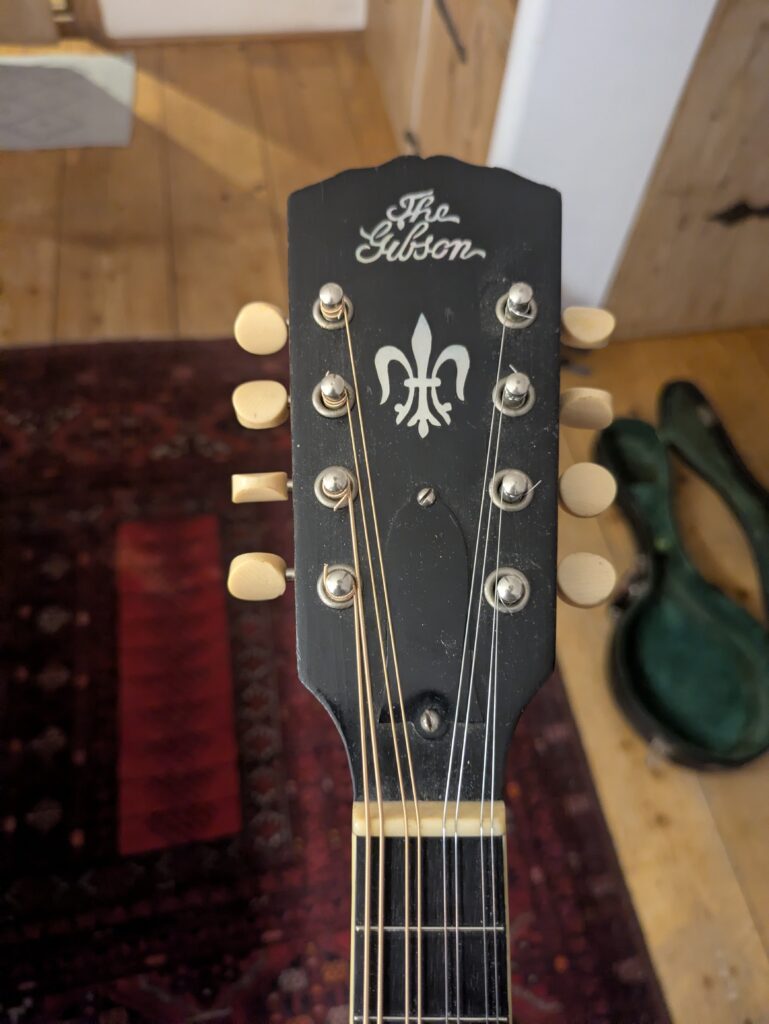
The history of mandolins from the American manufacturer Gibson is closely linked to the development of the modern mandolin itself. Hardly any other name has shaped this instrument as much as Gibson – both in terms of craftsmanship and sound. This beautiful Gibson A4 mandolin, built in 1927, has recently become part of our collection at Munich Guitar Company and has inspired us to take this brief look at the history of the mandolin at the traditional manufacturer Gibson.
It all began in the late 19th century with Orville Gibson, an instrument maker from Michigan. While mandolins at this time were mostly built according to the Italian model – with arched bodies made of wood shavings – Gibson took a radically different approach. He took his cue from violin making and developed mandolins with carved tops and backs made of solid wood. This construction method not only gave the instruments greater stability, but also a louder, clearer sound.
In 1898, Orville Gibson patented his design and shortly afterwards the “Gibson Mandolin-Guitar Manufacturing Company” was founded. In the following years, various models were developed, which became increasingly popular. The introduction of the so-called A and F models was particularly influential: While the A models had a simple, teardrop shape, the F model was characterized by its elaborate “scrolls” and ornamentation – a design that remains iconic to this day.
The real breakthrough came in the 1920s under the direction of engineer and designer Lloyd Loar. Loar refined the design considerably and developed, among other things, the famous F-5 mandolin. These instruments were louder, more assertive and more balanced in sound than their predecessors – perfect for the emerging ensemble and orchestral music of the time. The “Loar” mandolins built between 1922 and 1924 are now considered holy grails among collectors and often fetch six-figure sums at auction.
With the rise of bluegrass music in the 1940s, Gibson mandolins experienced a new heyday. Musicians such as Bill Monroe, the “father of bluegrass”, played Gibson F-5 models and made their sound known worldwide. The penetrating, brilliant sound quality became the hallmark of the genre.
In the decades that followed, Gibson – like many traditional companies – went through ups and downs. Production methods changed, quality and consistency fluctuated at times, and vintage instruments from the early days became increasingly important and valuable. Nevertheless, Gibson remained a central name in mandolin making and continued the tradition, even though the market became increasingly diversified.
Today, Gibson mandolins not only stand for historical significance, but also for a certain sound ideal: powerful, articulate and unmistakable. Whether in the hands of bluegrass musicians, folk artists or collectors – they embody a piece of American music history.